
When travelers dream of the quintessential African safari tanzania experience, Tanzania consistently emerges as the premier destination. This East African jewel offers an extraordinary tapestry of wildlife encounters, dramatic landscapes, and authentic wilderness experiences that few places on Earth can match. From witnessing millions of wildebeest thundering across ancient plains to observing lions lounging in the shade of acacia trees, an African safari in Tanzania delivers nature’s greatest spectacles in their most pristine form.
Tanzania: Africa’s Premier Safari Destination
Tanzania has earned its reputation as one of the world’s foremost safari destinations through an unwavering commitment to conservation and sustainable tourism. The country dedicates nearly 40% of its territory to protected areas, creating an expansive network of national parks, game reserves, and conservation areas that shelter extraordinary biodiversity. This commitment translates into wildlife populations that thrive in vast, unspoiled habitats where natural behaviors and ecological processes continue largely undisturbed by human interference.
The geographical diversity within Tanzania’s borders is staggering. In a single journey, you can traverse endless grasslands where predators stalk their prey, descend into volcanic craters teeming with wildlife, climb snow-capped equatorial mountains, explore ancient forests echoing with primate calls, and finally relax on tropical islands surrounded by coral reefs. This remarkable variety allows for safari experiences that extend far beyond conventional game viewing, creating multi-dimensional adventures that satisfy diverse interests and travel styles.
Tanzania’s safari infrastructure balances accessibility with wilderness authenticity. Well-established tourism frameworks in popular areas like the northern circuit ensure comfortable travel and reliable services, while more remote regions offer intrepid travelers opportunities for genuine exploration. This spectrum accommodates everyone from luxury travelers seeking pampered comfort to adventurers desiring raw, unmediated encounters with African wilderness.
The Serengeti: Earth’s Greatest Wildlife Theater
The Serengeti ecosystem represents nature at its most magnificent and uncompromising. Spanning approximately 30,000 square kilometers across Tanzania and Kenya, this vast wilderness supports the planet’s most remarkable wildlife phenomenon: the Great Migration. Each year, this ancient instinct-driven movement sees roughly 1.5 million wildebeest, 200,000 zebras, and 350,000 gazelles embark on a continuous circular journey following seasonal rainfall patterns and fresh grazing opportunities.
The migration follows a relatively predictable annual pattern, though exact timing varies with rainfall. Between January and March, the herds concentrate in the southern Serengeti’s short-grass plains where approximately 8,000 wildebeest calves are born daily during peak calving season. This explosion of vulnerable young animals attracts predators in exceptional concentrations, creating dramatic hunting scenes. As the plains dry, the herds move westward toward the Western Corridor and the Grumeti River by May and June.
The most iconic migration spectacle occurs between July and October when massive herds approach the Mara River, whose crocodile-infested waters present formidable obstacles. The ensuing river crossings showcase nature’s brutal beauty as panicked animals plunge into churning waters while Nile crocodiles seize opportunities for their annual feast. By November, the herds begin their southward return journey, completing the eternal cycle that has continued for millennia.
Even outside migration periods, the Serengeti delivers exceptional wildlife experiences. The park supports Africa’s largest lion population, with research suggesting over 3,000 individuals across the ecosystem. Cheetahs hunt on the open plains, leopards patrol rocky outcrops called kopjes, and spotted hyena clans maintain complex social structures. The diversity of habitats—from riverine forests to open grasslands to woodland savannas—ensures year-round wildlife abundance regardless of migration movements.
Ngorongoro Crater: Nature’s Perfect Amphitheater
The Ngorongoro Conservation Area protects one of Earth’s most extraordinary geological formations. This massive volcanic caldera, created when an ancient volcano collapsed approximately 2.5 million years ago, forms a natural enclosure spanning 260 square kilometers with walls rising 600 meters above the crater floor. This unique topography creates a self-contained ecosystem supporting approximately 25,000 large mammals in exceptional density.
Descending the steep access roads into Ngorongoro feels like entering a lost world frozen in time. The crater floor’s diverse habitats include open grasslands, acacia woodlands, freshwater marshes, and the alkaline Lake Magadi, each supporting distinct wildlife communities. This habitat diversity concentrates remarkable biodiversity within a relatively compact area, making Ngorongoro one of Africa’s most reliable wildlife viewing destinations.
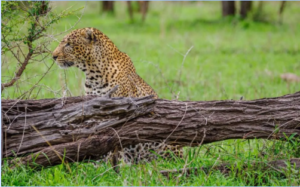
The crater provides one of Tanzania’s best opportunities to observe critically endangered black rhinoceros. Approximately 30-40 individuals inhabit the crater, representing a significant portion of Tanzania’s remaining population. Beyond rhinos, the Big Five are all present, with healthy populations of lions, elephants, buffalo, and the elusive leopards that inhabit the forested crater rim and rocky outcrops.
Large predators thrive in Ngorongoro’s abundance. The crater supports one of Africa’s densest lion populations, with prides claiming territories across the crater floor. These prides have developed unique hunting strategies adapted to the crater’s specific conditions. Spotted hyenas are equally numerous, their whooping calls echoing across the grasslands during evening hours. The permanent water sources and year-round prey availability mean predator activity remains consistently high regardless of season.
Tarangire National Park: The Elephant Sanctuary
While the Serengeti and Ngorongoro dominate Tanzania safari discussions, Tarangire National Park deserves recognition as an exceptional wildlife destination in its own right. Located in northern Tanzania, Tarangire becomes a wildlife magnet during the dry season when animals migrate from surrounding areas to the permanent waters of the Tarangire River, creating wildlife concentrations rivaling more famous parks.
Tarangire is synonymous with elephants. The park harbors one of Tanzania’s largest elephant populations, with herds sometimes exceeding 300 individuals gathering along the river during peak dry season months. Watching these massive family groups interact—youngsters playing under maternal supervision while matriarchs lead their clans to water—provides intimate insights into elephant social dynamics and behavior.
The park’s landscape is distinctively beautiful, dominated by iconic baobab trees that can live for thousands of years. These ancient giants, with their massive trunks and twisted branches, create quintessentially African scenes that photographers treasure. During the dry season, elephants sometimes damage baobabs while accessing moisture and nutrients within their fibrous trunks, demonstrating the complex relationships between herbivores and their environment.
Beyond elephants, Tarangire supports diverse wildlife including large predator populations, significant buffalo herds, and various antelope species. The park is particularly rewarding for birdwatchers, with over 550 recorded species including numerous endemics and seasonal migrants. The combination of excellent wildlife viewing, stunning scenery, and relatively fewer tourists compared to the Serengeti creates more exclusive and intimate safari experiences.
Lake Manyara National Park: Compact Wildlife Haven
Lake Manyara National Park, though small compared to Tanzania’s mega-parks, delivers disproportionate wildlife rewards within its compact boundaries. The park stretches along the western escarpment of the Rift Valley, with the shallow alkaline lake occupying much of its area. The remaining land supports diverse habitats from groundwater forests to acacia woodlands and open floodplains.
Lake Manyara gained fame for its tree-climbing lions, an unusual behavior observed regularly in this park and only a few other African locations. Scientists debate whether lions climb trees to escape biting insects, to catch cooling breezes, or simply because the ancient fig and mahogany trees provide convenient lounging platforms. Regardless of motivation, discovering lions draped across branches creates memorable photographic moments.
The lake itself attracts enormous flamingo flocks during certain seasons, painting the shoreline pink with thousands of birds filter-feeding in the alkaline waters. Beyond flamingos, Lake Manyara hosts over 400 bird species, making it a premier birdwatching destination. The park also supports healthy elephant populations, buffaloes, hippos, and various primates including troops of olive baboons and blue monkeys.
The compact nature of Lake Manyara makes it an excellent addition to northern circuit itineraries, often visited en route between other destinations. Despite its small size, the park’s habitat diversity and wildlife abundance ensure rewarding game viewing experiences that complement the vast landscapes of the Serengeti and Ngorongoro.
Ruaha and Nyerere: Southern Tanzania’s Wild Frontier
While most visitors concentrate on the African safari Tanzania northern circuit, the southern parks offer equally spectacular but far less crowded wildlife experiences. Ruaha National Park, Tanzania’s largest, covers over 20,000 square kilometers of rugged wilderness in the country’s central region. The park’s remote location and limited infrastructure mean visitor numbers remain low, creating exclusive bush experiences for those willing to venture off the beaten path.
Ruaha’s landscape differs markedly from northern parks, characterized by rocky escarpments, ancient baobabs, and the Great Ruaha River that provides the ecological heartbeat during dry months. The park supports exceptional predator populations, particularly lions and leopards, alongside significant elephant and buffalo herds. Wild dog packs, among Africa’s most endangered predators, find refuge in Ruaha’s vast wilderness, offering rare sighting opportunities.
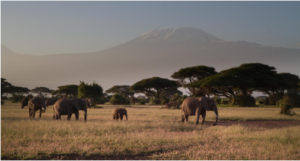
Nyerere National Park (formerly the northern section of Selous Game Reserve) represents Africa’s largest protected area, covering over 30,000 square kilometers of pristine wilderness. The Rufiji River system creates intricate waterways, lakes, and channels supporting abundant wildlife including massive crocodile and hippo populations. Nyerere’s varied terrain allows diverse safari activities including boat safaris, walking safaris, and traditional game drives, creating multifaceted wildlife experiences impossible in vehicle-only parks.
Both southern parks reward adventurous travelers with authentic wilderness experiences largely free from mass tourism’s impacts. The combination of exceptional wildlife, varied activities, and genuine remoteness appeals to safari veterans seeking new challenges beyond conventional northern circuit experiences.
Mount Kilimanjaro: Africa’s Majestic Summit
Mount Kilimanjaro dominates Tanzania’s northeastern landscape, its snow-capped summit rising 5,895 meters above sea level as Africa’s highest peak. While not a traditional safari destination, Kilimanjaro offers adventurous travelers the opportunity to combine wildlife viewing with high-altitude trekking, creating comprehensive Tanzanian adventures encompassing both lowland savannas and alpine environments.
Several established routes ascend Kilimanjaro, each offering distinct experiences. The Machame Route, known as the “Whiskey Route,” provides scenic variety and good acclimatization profiles over six to seven days. The Lemosho Route approaches from the west, offering excellent acclimatization and fewer crowds. The Marangu Route, sometimes called the “Coca-Cola Route,” provides hut accommodation rather than camping but suffers from lower success rates due to faster ascent profiles.
Climbing Kilimanjaro requires no technical mountaineering skills but demands physical fitness, mental determination, and respect for altitude. The ascent traverses five distinct ecological zones: cultivated farmlands at the base, rainforest, heath and moorland, alpine desert, and finally the arctic summit zone. Each zone presents unique flora, fauna, and atmospheric conditions, making the climb an ecological education alongside a physical challenge.
Many safari itineraries incorporate Kilimanjaro treks either before or after wildlife viewing, creating ultimate Tanzanian adventures. The physical and mental demands of summit attempts contrast beautifully with the relaxed pace of safari game drives, while the landscapes—from mountain glaciers to savanna plains—showcase Tanzania’s extraordinary geographical diversity.
Zanzibar Archipelago: Tropical Paradise
After days immersed in dust, heat, and wilderness, the Zanzibar Archipelago provides perfect counterpoint with pristine beaches, turquoise waters, and rich cultural heritage. Located approximately 40 kilometers off Tanzania’s coast, Zanzibar comprises several islands, with Unguja (commonly called Zanzibar) and Pemba being the largest and most visited.
Zanzibar’s history reads like an exotic adventure novel, with centuries of trade creating cultural fusion visible throughout the islands. Stone Town, the historic capital and UNESCO World Heritage Site, reveals Swahili, Arab, Persian, Indian, and European influences in its architecture, cuisine, and customs. Narrow alleyways wind between ancient buildings where ornately carved doors hint at past wealth, while bustling markets overflow with spices that made Zanzibar famous.
The island’s beaches rank among East Africa’s finest, particularly along the northern and eastern coasts where powdery white sand meets crystal-clear waters. Nungwi and Kendwa in the north offer excellent swimming conditions year-round, while the east coast’s tidal fluctuations create dramatic landscapes where exposed coral gardens appear during low tide. These coastal areas provide ideal settings for relaxation, water sports, and marine exploration.
Zanzibar’s coral reefs support exceptional marine biodiversity, making the islands a premier destination for snorkeling and diving. Popular dive sites include Mnemba Atoll, where sea turtles, dolphins, and diverse fish species congregate. Beyond water activities, visitors can tour spice plantations, visit historical sites, join traditional dhow cruises, and swim with dolphins in coastal waters, creating well-rounded island experiences.
Optimal Timing for Your Tanzania Safari
Understanding Tanzania’s seasons significantly impacts safari planning and experiences. The country experiences two primary seasons: the dry season from June through October, and the wet season split between short rains (November-December) and long rains (March-May). Each period offers distinct advantages and considerations for safari travelers.
The dry season represents peak safari time when weather remains predictably pleasant, wildlife concentrations reach their maximum around permanent water sources, and vegetation thins for improved visibility. This period coincides with the Great Migration’s dramatic Mara River crossings in the northern Serengeti, creating exceptional wildlife spectacles. However, popularity means higher prices and increased visitor numbers at prime locations.
The wet season, despite less favorable reputation, offers considerable benefits for discerning travelers. Landscapes transform into lush green paradises, creating stunning photographic conditions. Migratory birds arrive in spectacular numbers, thrilling birdwatching enthusiasts. The southern Serengeti’s calving season during January and February concentrates predator action as vulnerable newborns attract lions, cheetahs, and hyenas. Additionally, reduced visitor numbers and lower prices make wet season safaris appealing for budget-conscious travelers.
The shoulder months—January, February, and November—often provide optimal conditions balancing favorable weather, good wildlife viewing, reasonable prices, and moderate tourist numbers. These periods allow visitors to experience Tanzania’s highlights without extreme crowds while benefiting from relatively predictable conditions.
Safari Styles and Activities
Tanzania accommodates diverse safari preferences through varied activities extending beyond traditional game drives. Classic vehicle-based game drives remain the foundation of most safaris, typically conducted during early morning and late afternoon when wildlife activity peaks and temperatures moderate. Private vehicles offer maximum flexibility and personalized experiences, while group safaris provide economical alternatives for solo travelers or small parties.
Walking safaris create profound connections with African wilderness impossible from vehicles. Accompanied by armed rangers and expert guides, participants track animals on foot, learning about smaller creatures, plant ecology, tracking techniques, and survival strategies that vehicle safaris overlook. The heightened awareness required when walking in big game country—vigilance for fresh spoor, attention to wind direction, awareness of sight lines—engages all senses in ways that passive vehicle viewing cannot match.
Hot air balloon safaris provide spectacular aerial perspectives of the Serengeti and other parks. Floating silently above the plains as dawn breaks, watching wildlife spread across the landscape below while the rising sun paints the sky in golden hues, creates magical moments that justify the premium prices. Flights typically conclude with champagne breakfasts in the bush, toasting an unforgettable experience.
Night game drives reveal entirely different wildlife communities. Nocturnal species including leopards, lions, genets, civets, honey badgers, and various rodents emerge after dark, demonstrating behaviors rarely observed during daylight. Specialized spotlights illuminate eyes glowing in darkness—predators hunting, herbivores feeding, the bush alive with nocturnal activity. Private concessions and certain conservation areas permit night drives, as regulations prohibit nighttime activities within most national parks.
Accommodation Options Across All Budgets
Tanzania’s accommodation spectrum ensures accessibility regardless of budget constraints. Budget travelers can choose public campsites within national parks or basic lodges just outside park boundaries. These no-frills options make Tanzania safaris achievable for backpackers and cost-conscious travelers willing to accept simpler facilities in exchange for affordable access to world-class wildlife viewing.
Mid-range lodges and tented camps strike balances between comfort and cost. These properties typically feature private rooms or walk-in tents with en-suite facilities, decent meals, and comfortable common areas without luxury price tags. Many occupy excellent locations near park entrances or within conservation areas, maximizing wildlife access while maintaining reasonable rates. Mid-range properties suit the majority of safari travelers seeking comfortable but unpretentious experiences.
Luxury and ultra-luxury accommodations redefine safari standards with exceptional comfort, personalized service, and exclusive locations. Permanent lodges feature spacious suites with private decks, infinity pools overlooking waterholes, and gourmet dining rivaling top restaurants. Luxury tented camps blend classic safari romance with contemporary comforts—four-poster beds, en-suite bathrooms, and attentive service within canvas structures maintaining an authentic bush atmosphere.
Mobile camps represent the pinnacle of safari exclusivity. These temporary camps follow the Great Migration, positioning guests directly within the action. Camp staff construct and deconstruct complete facilities including sleeping tents, dining areas, and bathroom facilities as migration movements dictate. Despite their temporary nature, mobile camps deliver luxury experiences rivaling permanent lodges while offering unmatched proximity to wildlife spectacles.
Cultural Encounters Enriching Safari Experiences
Tanzania’s cultural diversity adds profound dimensions to wildlife-focused safaris. The Maasai people, perhaps Africa’s most iconic pastoral tribe, inhabit regions adjacent to many northern circuit parks. Village visits provide insights into traditional lifestyles centered on cattle herding, though selecting ethical, community-led tourism operations that genuinely benefit local people rather than exploitative ventures requires careful research.
The Hadzabe, one of Earth’s last remaining hunter-gatherer societies, inhabit areas around Lake Eyasi near Ngorongoro. Spending time with these remarkable people—learning tracking skills, understanding bush medicine, experiencing traditional hunting techniques—offers rare glimpses into humanity’s ancient relationship with nature. These encounters require sensitivity and respect, recognizing that Hadzabe communities face tremendous pressures from modernization and land loss.
In northern Tanzania, the Chagga people occupy Mount Kilimanjaro’s slopes where they’ve developed sophisticated irrigation systems supporting banana cultivation. Their villages showcase adaptation to mountain environments and traditional building techniques. Coastal regions reveal Swahili culture, a unique synthesis of African, Arab, and Asian influences reflecting centuries of Indian Ocean trade. These cultural interactions complement wildlife viewing, creating holistic Tanzanian experiences connecting visitors with both human and natural heritage.
Practical Safari Planning Considerations
Successful African safari Tanzania requires attention to numerous practical details. Most international visitors need visas obtainable online before travel or upon arrival at entry points. The e-visa system streamlines advanced applications, reducing airport wait times. Visa costs vary by nationality, with most visitors paying $50-100 for single-entry tourist visas valid for 90 days.
Health preparations deserve serious attention. Yellow fever vaccination certificates are mandatory for travelers arriving from countries with yellow fever transmission risk. Comprehensive travel health consultations should occur six to eight weeks before departure, addressing recommended vaccinations (hepatitis A and B, typhoid, routine immunizations) and malaria prophylaxis. Most Tanzania safari areas fall within malaria zones, particularly during rainy seasons, making antimalarial medications strongly advisable.
Travel insurance covering medical evacuation is essential given the remote nature of many safari destinations. Comprehensive policies should include coverage for medical emergencies, trip cancellations, lost luggage, and emergency evacuation. Some activities like Kilimanjaro climbing require specific coverage for high-altitude trekking.
Currency and payment considerations merit attention. While US dollars are widely accepted for tourism payments, Tanzanian shillings prove useful for smaller purchases, tips, and transactions outside tourist circuits. ATMs exist in major towns but are scarce in rural areas. Credit card acceptance remains limited outside upscale properties. Carrying sufficient cash in appropriate denominations ensures smooth transactions throughout your journey.
Conservation Challenges and Responsible Tourism
Despite impressive protected areas, Tanzania faces significant conservation challenges. Human-wildlife conflict intensifies as human populations expand into wildlife corridors and traditional migration routes. Poaching, though reduced from devastating levels that decimated elephant and rhino populations in the 1970s-1990s, remains an ongoing threat requiring constant vigilance. Climate change impacts manifest through shifting rainfall patterns affecting migration timing and grassland productivity.
Responsible safari operators contribute meaningfully to conservation through multiple mechanisms. Park fees paid for every visitor directly fund protected area management, anti-poaching operations, and infrastructure maintenance. Many lodges and camps support anti-poaching units, community development programs, and education initiatives. Some properties employ local community members, ensuring economic benefits flow to people living alongside wildlife.
Travelers amplify their positive impact through informed choices. Selecting operators with demonstrated conservation commitments, respecting wildlife viewing guidelines maintaining appropriate distances, and supporting community-based tourism initiatives all contribute to sustainable tourism models. Avoiding properties or activities that compromise animal welfare—such as walking with lions or other direct animal contact experiences—ensures your tourism dollars support rather than undermine conservation objectives.
Photography ethics matter increasingly in the social media age. Responsible wildlife photography prioritizes animal welfare over image quality. This means maintaining required distances, never baiting or provoking animals for dramatic shots, minimizing time spent with specific individuals or groups, and thoughtfully considering how images are presented on social platforms. The perfect photograph should never come at the cost of animal stress or behavioral disruption.
Conclusion
An African safari in Tanzania transcends ordinary travel, offering transformative encounters with nature in its most magnificent expressions. The country’s remarkable diversity—from the migration’s thundering drama across Serengeti plains to intimate elephant encounters in Tarangire, from Ngorongoro’s volcanic grandeur to Zanzibar’s turquoise waters—creates opportunities for profoundly meaningful experiences that resonate long after returning home.
What distinguishes Tanzania among global safari destinations is the combination of extraordinary wildlife abundance, landscape diversity, established tourism infrastructure, and genuine wilderness character. Whether witnessing predator-prey interactions unfold across savanna grasslands, tracking rhinos across volcanic crater floors, or watching the sun set over endless plains while hippos grunt in nearby rivers, Tanzania delivers nature’s greatest spectacles with remarkable consistency.
The experiential richness extends beyond wildlife viewing to encompass cultural encounters with communities whose lives remain intertwined with wilderness, physical challenges like summiting Africa’s highest peak, and tropical relaxation on spice-scented islands. This multifaceted appeal allows travelers to craft comprehensive East African adventures addressing diverse interests while maintaining coherent geographical focus.
Perhaps most importantly, your Tanzania safari investment extends beyond personal enrichment to support critical conservation work protecting irreplaceable ecosystems and the species they shelter. By choosing responsible operators and properties committed to sustainable practices, you become part of solutions ensuring future generations can experience the same wildlife wonders that inspire you today. This legacy of positive impact amplifies your journey’s meaning far beyond immediate enjoyment.
For those contemplating their first safari or planning return visits, Tanzania stands ready to exceed even elevated expectations. The country offers something increasingly rare in our crowded world: vast spaces where nature’s ancient rhythms continue largely uninterrupted, where wildlife behaviors unfold according to evolutionary imperatives rather than human schedules, where wilderness remains genuinely wild. This authenticity, combined with accessible infrastructure and extraordinary biodiversity, positions Tanzania as Africa’s premier safari destination for the discerning traveler seeking meaningful engagement with our planet’s natural heritage.
Key Takeaways
- World-Class Wildlife Viewing: Tanzania protects nearly 40% of its land as wildlife areas, hosting exceptional Big Five populations and the Great Migration
- Serengeti’s Great Migration: Witness 2+ million wildebeest and zebras in their annual journey, with dramatic river crossings from July-October
- Ngorongoro Crater Excellence: Experience Africa’s highest wildlife concentrations in this volcanic caldera with exceptional Big Five viewing
- Diverse Safari Regions: Northern circuit offers classic experiences; southern parks provide remote wilderness with fewer tourists
- Seasonal Strategy Matters: Dry season (June-October) delivers optimal viewing; wet season offers lush landscapes and lower prices
- Multiple Safari Activities: Beyond game drives, enjoy walking safaris, balloon flights, night drives, and boat safaris in appropriate areas
- Accommodation for Every Budget: Options range from basic camping to ultra-luxury lodges and exclusive mobile camps
- Cultural Richness: Maasai, Hadzabe, and Swahili encounters add human dimensions to wildlife experiences
- Zanzibar Beach Extension: Combine bush and beach for comprehensive Tanzanian adventures
- Conservation Contribution: Responsible safari choices directly support wildlife protection and community development initiatives
Frequently Asked Questions
What is the average cost of an African safari in Tanzania?
Tanzania safari costs vary significantly based on accommodation level, season, and trip length. Budget safaris typically cost $150-250 per person daily, mid-range options run $300-500 per day, while luxury experiences range from $600-1,500+ daily. Ultra-luxury mobile camps can exceed $2,000 per person per day. These rates generally include accommodation, meals, park fees, and game drives but exclude international flights, visas, tips, and personal expenses. Booking directly with Tanzanian operators rather than international agents often reduces costs substantially.
When is the best time to visit Tanzania for safari?
The optimal time depends on your priorities. June through October offers the best overall conditions with dry weather, excellent wildlife viewing as animals concentrate near water sources, and the dramatic Mara River crossings. January-February provides spectacular predator action during wildebeest calving season in southern Serengeti. March-May (long rains) sees fewer tourists and lower prices despite occasional travel challenges. November-December (short rains) offers good value with improving conditions. Each season delivers unique advantages, so align your visit with specific interests and budget.
Is Tanzania safe for safari tourists?
Tanzania maintains an excellent safety record for tourists within established safari circuits and national parks. Wildlife poses the primary safety consideration—always follow guide instructions, maintain safe distances from animals, and never exit vehicles except at designated areas. Petty theft occurs in cities like Dar es Salaam and Arusha, so take standard urban precautions. Choose reputable, licensed safari operators and accommodations. Medical facilities in remote areas are limited, making comprehensive travel insurance with evacuation coverage essential.
Can I see the Big Five in Tanzania?
Yes, Tanzania offers exceptional Big Five viewing. Lions are abundant throughout northern parks, particularly the Serengeti which hosts Africa’s largest population. Elephants thrive in Tarangire, Serengeti, and southern parks. Buffalo herds are common across most parks. Leopards, though elusive, are regularly spotted in Serengeti, Ngorongoro, and Tarangire. Black rhinos are most reliably seen in Ngorongoro Crater, though populations remain critically endangered. Ruaha and Nyerere also offer Big Five viewing with significantly fewer tourists than northern circuit parks.
How many days should I spend on safari in Tanzania?
A minimum of 5-7 days allows coverage of key northern circuit highlights (Tarangire, Ngorongoro, Serengeti). Seven to ten days provides more comprehensive experiences with relaxed pacing and time for diverse activities. Two weeks enables southern park additions or Zanzibar beach extensions. First-time visitors should budget at least seven days to avoid rushed itineraries that generate more driving than wildlife viewing. Remember that Tanzania’s vast distances mean travel days between parks, so longer trips maximize actual safari time versus transit time.
Do I need special photography equipment for safari?
While professional wildlife photographers use expensive telephoto lenses, dramatic safari photography is achievable with modest equipment. A camera with 200-400mm zoom capability captures most wildlife encounters satisfactorily. Smartphones with good cameras can produce excellent results, especially for landscapes and larger animals. Bring extra batteries and memory cards as charging opportunities may be limited. Dust protection is crucial—keep equipment sealed when not in use. Most lodges have charging facilities, but bring portable power banks for extended game drives. Binoculars are essential for spotting distant wildlife.
Can families with children go on safari in Tanzania?
Many Tanzanian lodges and operators welcome families, though policies vary. Minimum age restrictions commonly range from 6-12 years depending on the property and activity type. Family-friendly accommodations offer interconnecting rooms, flexible meal times, shorter game drives, and child-appropriate activities. Private vehicle hire provides flexibility for families with young children who may have limited attention spans. Some camps offer specialized family programs with junior ranger activities. Walking safaris and certain activities typically have higher age minimums for safety reasons.
What should I pack for a Tanzania safari?
Essential items include neutral-colored, lightweight clothing (khaki, olive, beige) that blends with surroundings and doesn’t attract insects. Layers accommodate temperature variations from cool mornings to hot afternoons. Sun protection (wide-brimmed hat, sunscreen, sunglasses) is critical. Insect repellent with DEET protects against mosquitoes. Comfortable walking shoes or boots are necessary even if not doing walking safaris. Binoculars enhance wildlife viewing significantly. Camera equipment with telephoto capability captures distant animals. Many lodges provide laundry services, so pack light. Small aircraft luggage restrictions often apply—use soft-sided bags and check weight limits with your operator.